Two similar homes. The same advice. Two very different outcomes.
After 17 years selling real estate in Sarasota and Manatee Counties, I've learned that one of the most important decisions a homeowner makes is the price they choose when their home first enters the market.
Recently, I worked with two sellers whose experiences illustrate exactly why.
Both homes were built around the same time, had received relatively few updates, and enjoyed beautiful views.
I gave both sellers the same fundamental advice: price for the market you're entering, not the price you hope to negotiate down from.
One seller chose a different approach. The other followed my recommendation.
Here's what happened.
Seller One: Leaving Room to Negotiate
The first homeowner initially attempted to sell their property themselves at a price considerably above what the market supported.
When we met, I recommended a lower asking price based on comparable sales, current competition, and market conditions.
The seller preferred to start higher.
Their reasoning was familiar: "We're not in a rush, and we want to leave room to negotiate."
I explained that today's buyers have access to extensive property information. They compare homes, study price histories, and often choose not to view properties they believe are overpriced.
But the seller wanted to try the higher price.
Several months later, the asking price was reduced. Unfortunately, the market had already begun to soften.
A serious offer arrived, but the seller declined, hoping to achieve a higher price.
Over the following months, the pattern continued. The asking price was reduced several times, and additional offers were received and rejected.
Each time, the seller believed a better offer might still come along.
Eventually, another offer arrived, significantly below the earlier offers.
This time, the seller accepted.
The final agreed price was substantially lower than an offer the seller had received much earlier in the process.
Throughout the listing, my advice remained consistent: we needed to get ahead of the changing market rather than chase it.
I believe the property had a stronger opportunity to achieve a higher sale price had we positioned it competitively from the beginning. Of course, no one can guarantee what a buyer would have paid.
Instead, the seller spent months reducing the asking price while market conditions continued to change.
What Buyers Don't See Can Be Just as Important
Here's something many homeowners don't realize.
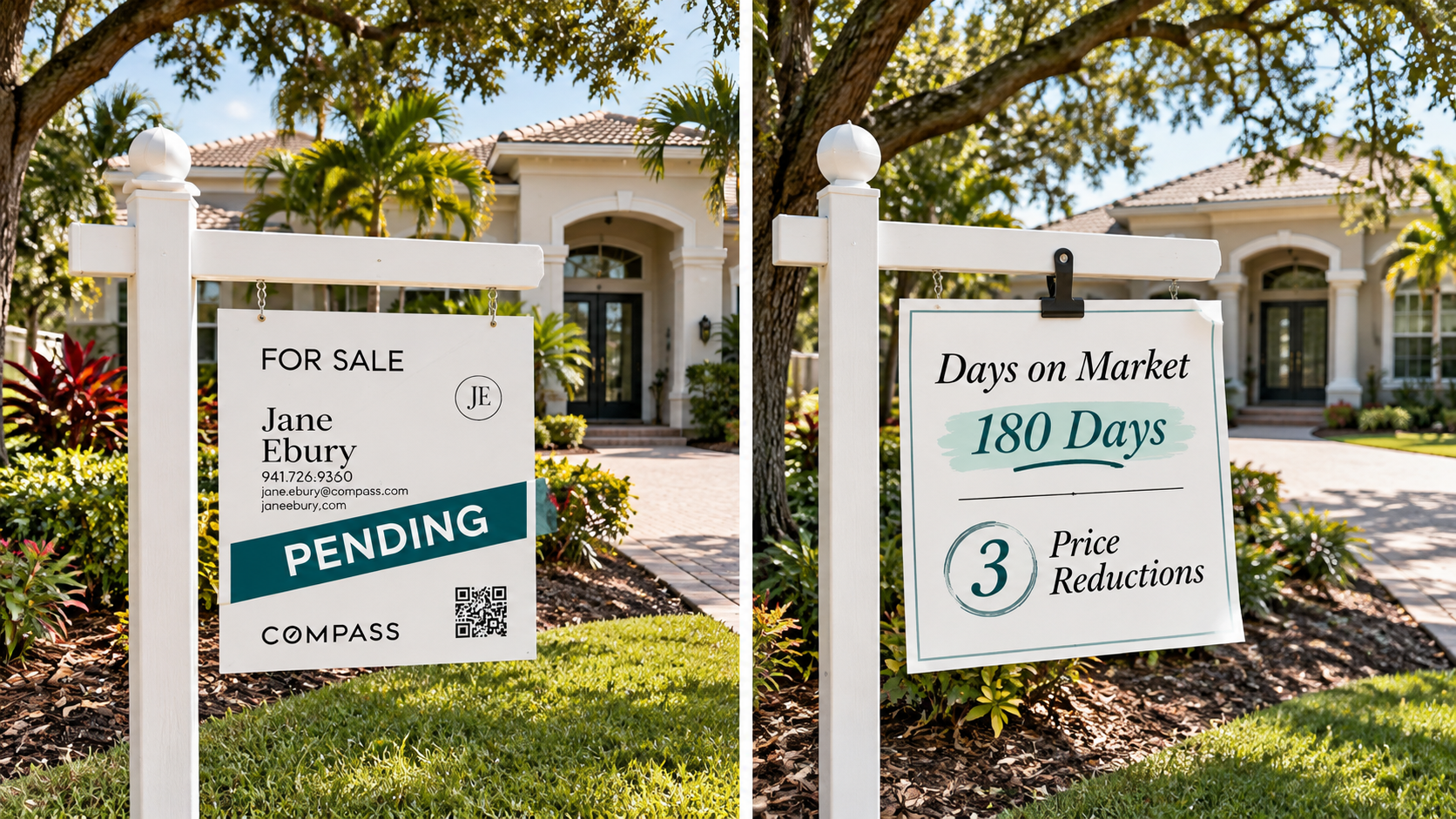
When buyers look at a property online, they can usually see how long it's been listed and whether the asking price has been reduced.
What they generally can't see is the offers a seller has already received and declined.
In this case, there had been a genuine buyer willing to pay considerably more than the property's eventual selling price.
But someone discovering the listing months later wouldn't know that.
All they would see was a property that had been on the market for an extended period, with repeated price reductions.
They might wonder whether something was wrong with the home or whether the seller was becoming increasingly motivated.
And that perception can influence the offers they decide to make.
The seller knew what had previously been offered. The next buyer didn't.
The market doesn't remember the offers you turned down. It responds to the property, the competition, and the information buyers can see today.
Seller Two: Creating Buyer Interest From Day One
Now consider another homeowner with a remarkably similar property.
This seller also wanted to start at a higher price to leave room for negotiation.
Once again, I recommended a more competitive asking price.
Rather than starting above the market and waiting for buyers to negotiate, I wanted to position the property where buyers would immediately recognize its value.
The goal was to create interest, urgency, and potentially competition.
The seller trusted the strategy.
Within just a few days, we received three offers, all close to the asking price.
We executed a contract at the asking price and secured another offer as a backup.
Same general type of home. The same pricing philosophy. Very different decisions.
And a dramatically different selling experience.
Is Your Home Worth More Than Your Neighbor's?
One of the most common conversations I have with homeowners starts with, "Well, my neighbor's home sold for this much, and mine is worth more."
And they may be absolutely right.
But here's what we don't always know about that sale.
Did their neighbor originally list too high? Did they receive a strong offer early on but turn it down, hoping for something better? Did the property then sit on the market, requiring several price reductions before another buyer came along?
By the time it finally sold, the seller may have accepted considerably less than an earlier offer.
And now that lower sale price becomes a comparable sale that can influence the perceived value of your home.
That's the knock-on effect of pricing decisions.
A comparable sale tells us what a property sold for. It doesn't necessarily tell us everything about how or why it sold for that amount.
This is why I believe understanding the story behind the numbers is just as important as the numbers themselves.
Buyers Don't Shop the Way They Used To
Today's buyers can see price histories, days on market, comparable sales, and competing listings at the touch of a button.
When a home appears overpriced, many won't bother making an offer. They'll simply move on.
Repeated price reductions can also raise questions about the property or the seller's motivation, potentially weakening negotiating leverage.
You Can't Chase a Moving Market
This is particularly relevant in established communities like River Club in Bradenton, where homes vary considerably in condition, floor plans, views, and lot sizes.
Comparable sales provide a starting point, but they reflect yesterday's transactions—not necessarily today's buyer expectations.
Inventory, affordability, insurance costs, and changing buyer demand all influence what a home may sell for.
A price that made sense three months ago may no longer reflect today's market.
The Best Marketing Can't Fix the Wrong Price
Professional photography, beautiful presentation, targeted advertising, and an experienced Realtor all play important roles in selling a home.
But even the strongest marketing campaign cannot consistently persuade buyers to pay more than they believe a property is worth.
The purpose of great marketing is to attract the right buyers. The purpose of strategic pricing is to give those buyers a reason to act.
The lesson from these two sellers isn't that every home should be priced below market value.
It's that pricing should reflect current conditions, buyer behavior, and the competition—not simply the amount a seller hopes to achieve.
Both sellers wanted to achieve the best possible result. Both had their own expectations about what their homes were worth. And both had the final say in their pricing decisions.
My role was to provide the market knowledge, explain buyer behavior, and recommend a strategy.
One seller chose to test a higher price and ultimately accepted significantly less than earlier offers. The other chose to position their home competitively from the beginning and attracted three offers within days.
Their experiences reinforce something I've learned throughout my career:
The first price you choose can ultimately influence the last price you receive.
Jane Ebury Sinclair is a Realtor® with Compass Florida, specializing in River Club, Bradenton, Lakewood Ranch, and Sarasota and Manatee County real estate. With 17 years of experience and 13 years as a River Club resident, Jane combines neighborhood knowledge with a practical, market-driven approach to pricing and selling homes.
Considering selling your River Club home?
Before deciding on an asking price, let's look beyond what your neighbors sold for and discuss what today's buyers are actually willing to pay.